
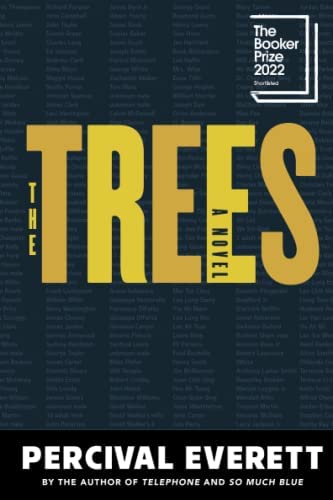
Percival Everett
Graywolf Press
|
(Damon Thruff looking through Mama Z’s files of lynchings since 1913) “You did all this?” Damon asked. from The Trees |

Percival Everett
Graywolf Press
|
(Damon Thruff looking through Mama Z’s files of lynchings since 1913) “You did all this?” Damon asked. from The Trees |
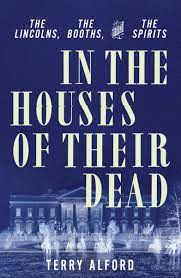
Terry Alford
Liveright Publishing Company
|
John (Wilkes Booth) wandered down to the caravan, where he found an old woman to tell his fortune. “Ah, you’ve a bad hand,” the crone commenced. “Trouble in plenty everywhere I look. You’ll break hearts. They’ll be nothing to you. You’ll die young and leave many to mourn you, many to love you, too.” Taken aback, John asked if his destiny was unchangeable. “You’re born under an unlucky star,” she informed him. “…A fast life, short but a grand one.” “It is a good thing it is so short as it is so bad a fortune. For this evil dose you expect me to cross your palm?” asked John. “Young sir, I’ve never seen a worse hand, and I wish I hadn’t seen it…” from In the Houses of Their Dead |
David Graeber & David Wengrow
Farrar, Straus & Giroux
|
We’ve been mostly asking the wrong questions: (…) Were our earliest ancestors simple and egalitarian, or complex and stratified? Is human nature innocent or corrupt? Are we, as a species, inherently cooperative or competitive, kind or selfish, good or evil? Perhaps all these questions blind us to what really makes us human in the first place, which is our capacity—as moral and social beings—to negotiate between such alternatives. from The Dawn of Everything |
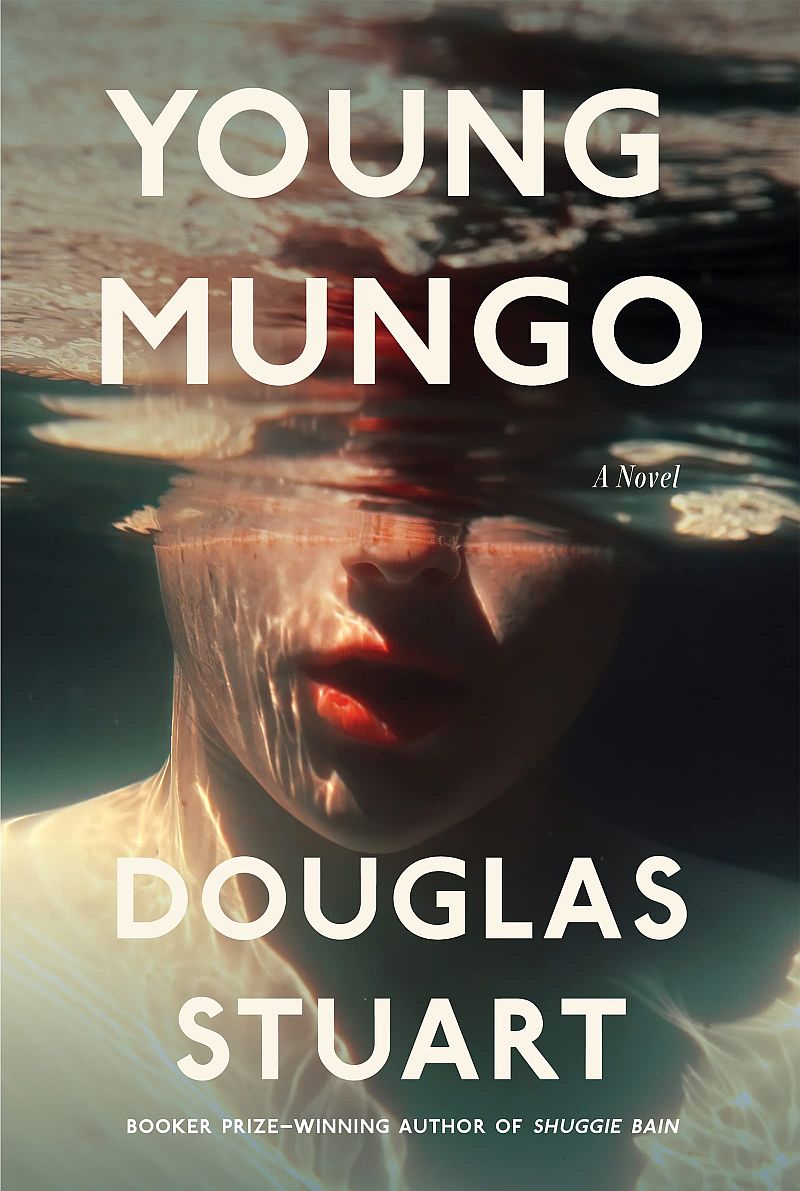
Douglas Stuart
Grove Press
|
“Do you see what ah mean?” from Young Mungo |
Michiko Kakutani
Clarkson Potter Publishers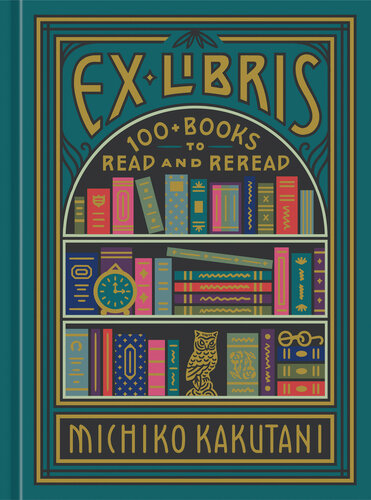
|
At its best, literature can surprise and move us, challenge our certainties, and goad us into reexamining our default settings. Books can jolt us out of old habits of mind and replace reflexive us-versus-them thinking with an appreciation of nuances and context. Literature challenges political orthodoxies, religious dogma, and conventional thinking (which, of course, is why authoritarian regimes ban and burn books), and it does what education and travel do: it exposes us to a multiplicity of viewpoints and voices. from Ex-Libris |
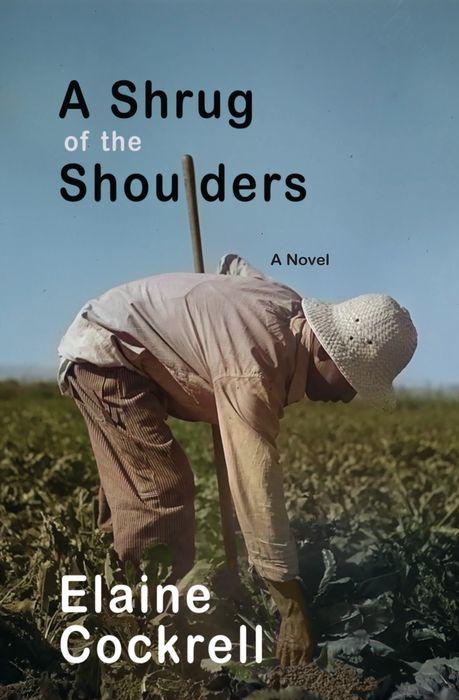
Elaine Cockrell
Latah Books
|
[Japanese American internees are watching a newsreel about the war.] The screen showed a fierce battle scene. An American bomb hit a Japanese ship, and Thomas stood up and cheered. He raised his fist in the air, his shadow on the screen. At his side, George pulled at his arm. “Sit down. Sit down, Thomas.” George tried to shush him, but his little brother didn’t listen. “Yah! Take that. And that!” He was yelling at the top of his lungs…“I hate the damned Japs!” He looked around at the others. “Look what they’ve done to us!” Trembling, he slowly sank into his seat. from A Shrug of the Shoulders |
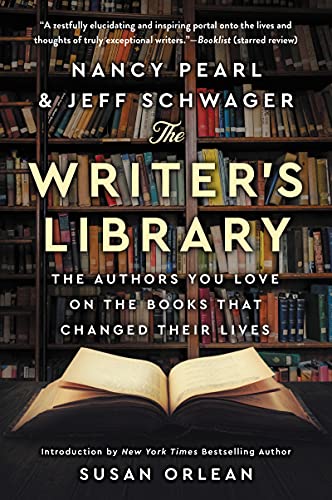
Nancy Pearl & Jeff Schwager
Harper Collins Publishers
|
How-to (write) manuals are preposterous. You learn to write by reading deeply…to read (a favorite book) over and over, and see how it’s put together and what it means. It’s like a movie that you love. You’re blown away by it. There it is—the music, the sound, the color. But then when you see it the second time, then you see this camera angle or this shot or how this is done—then you see a larger way into it. And I think that’s how you learn to write. By doing that with texts. T. C. Boyle from The Writer’s Library |
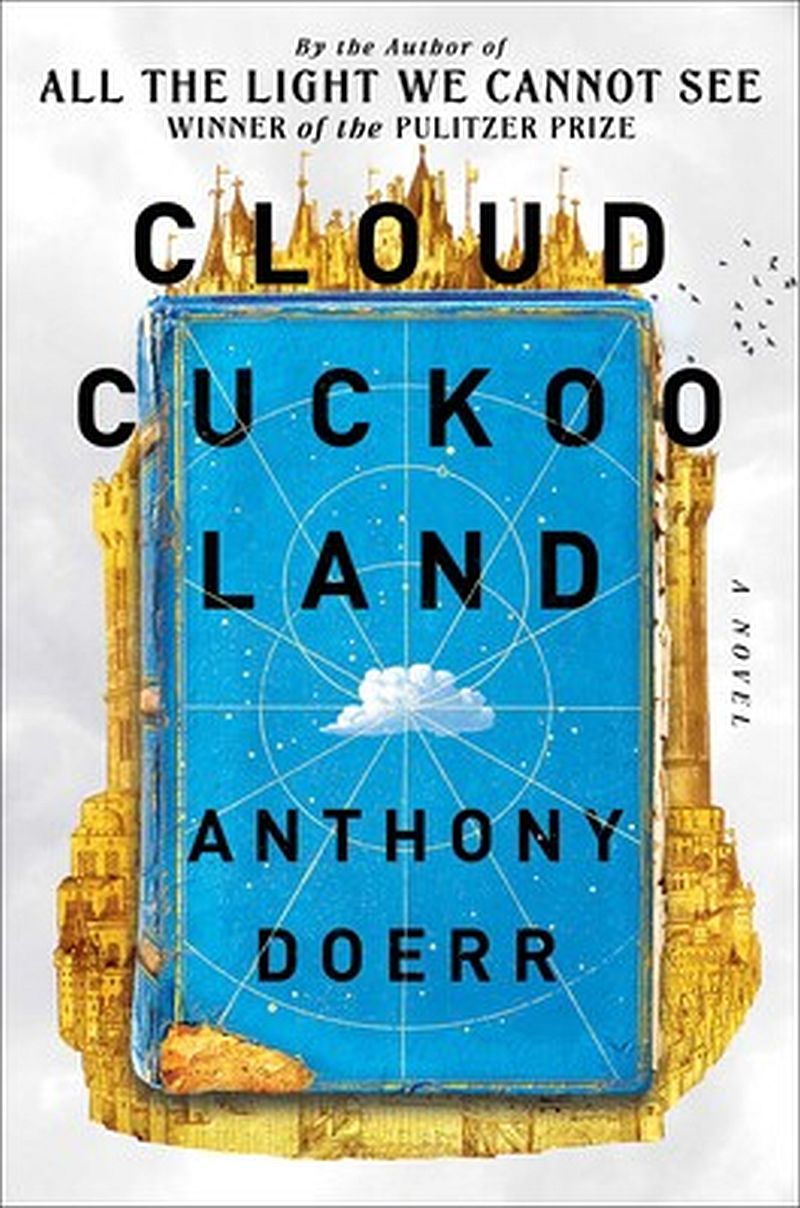
Anthony Doerr
Scribner
|
He should have risked more. It has taken him his whole life to accept himself, and he is surprised to understand that now that he can, he does not long for one more year, one more month: eighty-six years has been enough. In a life, you accumulate so many memories, your brain constantly winnowing through them, weighing consequence, burying pain, but somehow by the time you’re this age you still end up dragging a monumental sack of memories behind you, a burden as heavy as a continent, and eventually it becomes time to take them out of the world. from Cloud Cuckoo Land |
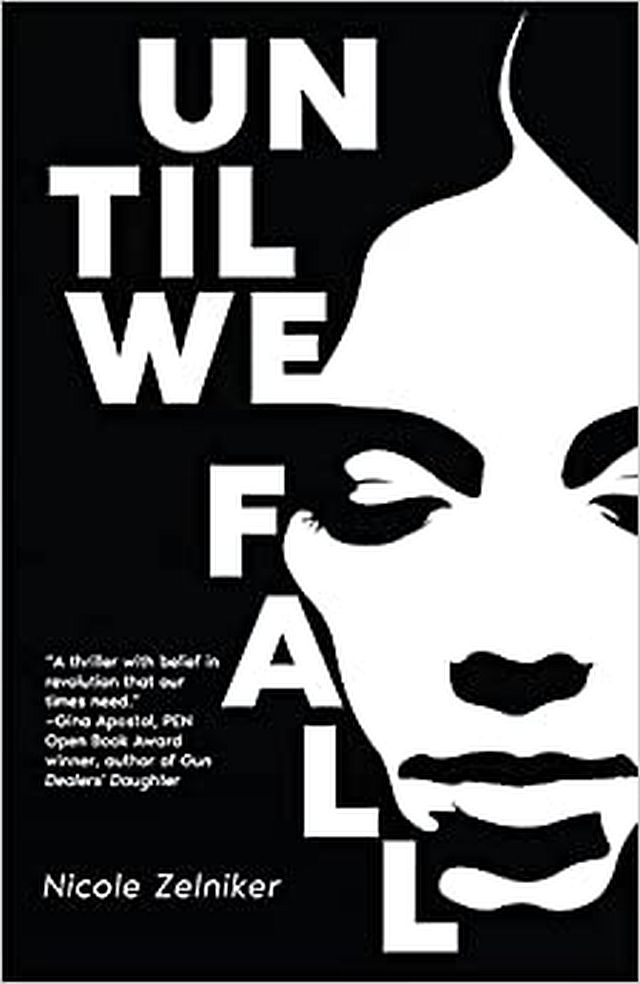
Nicole Zelniker
Jaded Ibis Press
|
Jackson Shore was plenty used to press conferences at this point. All he had to do, for the most part, was stand there as representative of the Militum and watch President Dexter Powers tell the American public that he was winning the war against the terrorists, praise God, blah, blah, blah…There were a few journalists in attendance, largely at the same newspapers Powers and his allies owned. The handful of others worked with the understanding that if they spoke out, they would be suspended, or worse, killed. from Until We Fall |
Kim Stanley Robinson
Orbit/Hachette Book Group
|
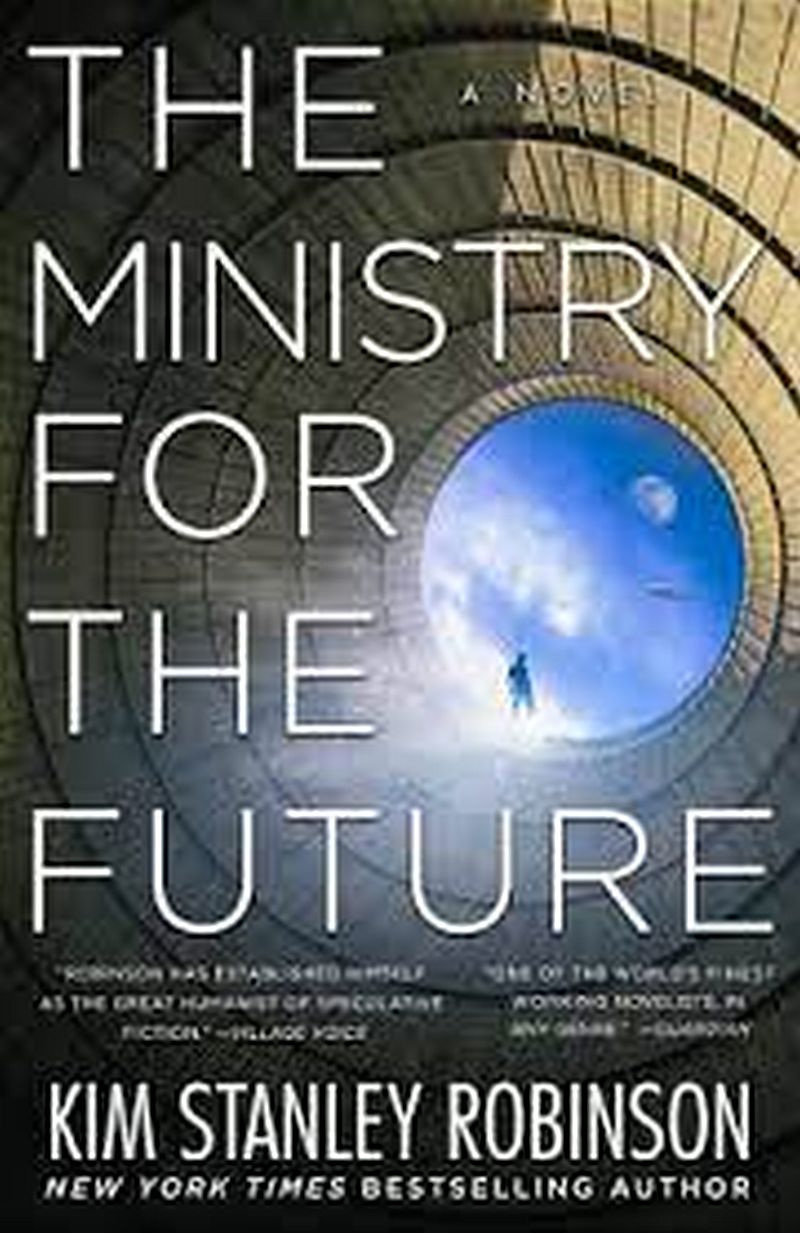
The current rate of extinctions compared to the ecological norm is now several thousandfold faster, making this the sixth great mass extinction event in Earth’s history, and thus the start of the Anthropocene in its clearest demarcation, which is to say, we are in a biosphere catastrophe that will be obvious in the fossil record for as long as the Earth lasts…Evolution itself will of course eventually refill all these emptied ecological niches with new species. The pre-existing plenitude of speciation will be restored in less than twenty million years. from The Ministry for the Future |