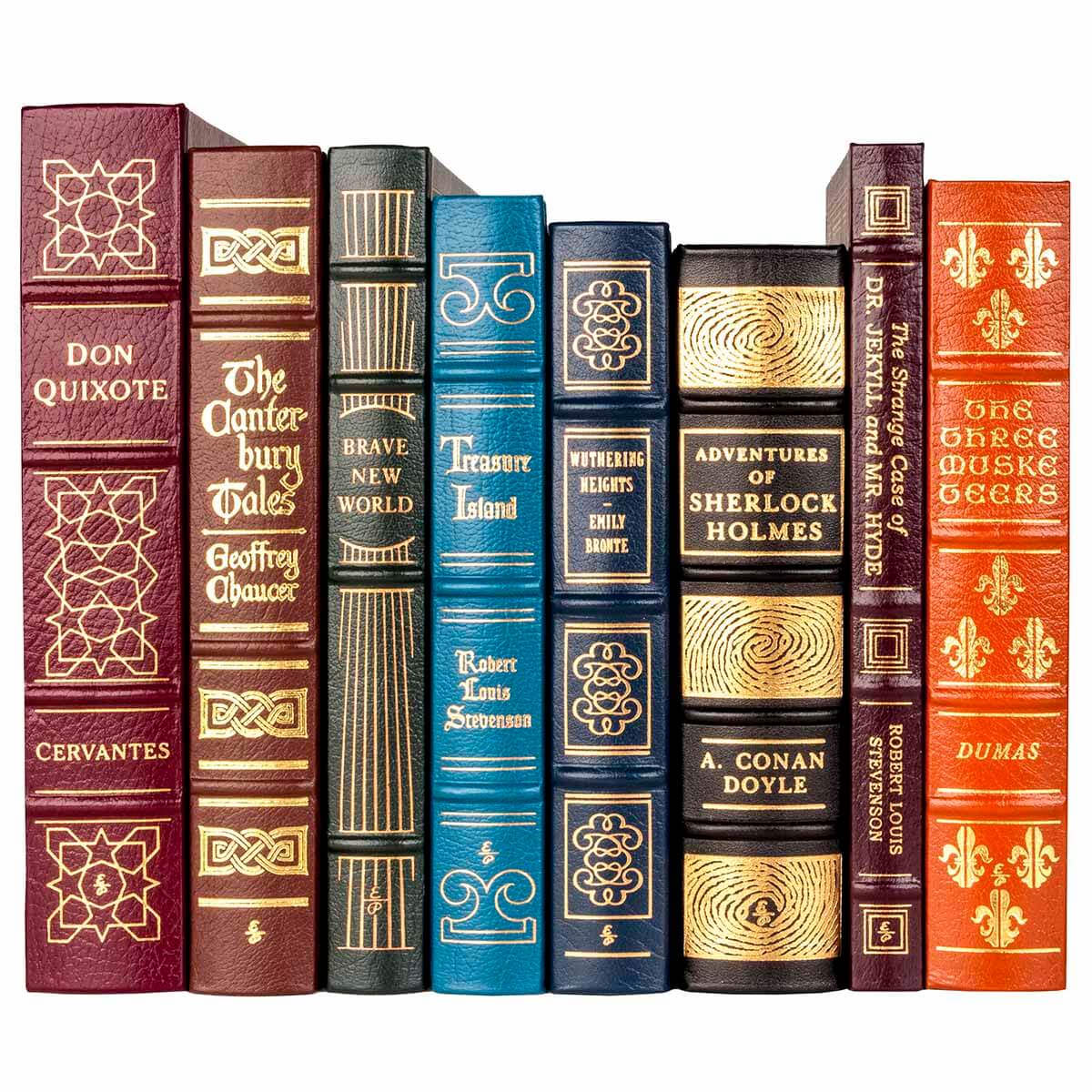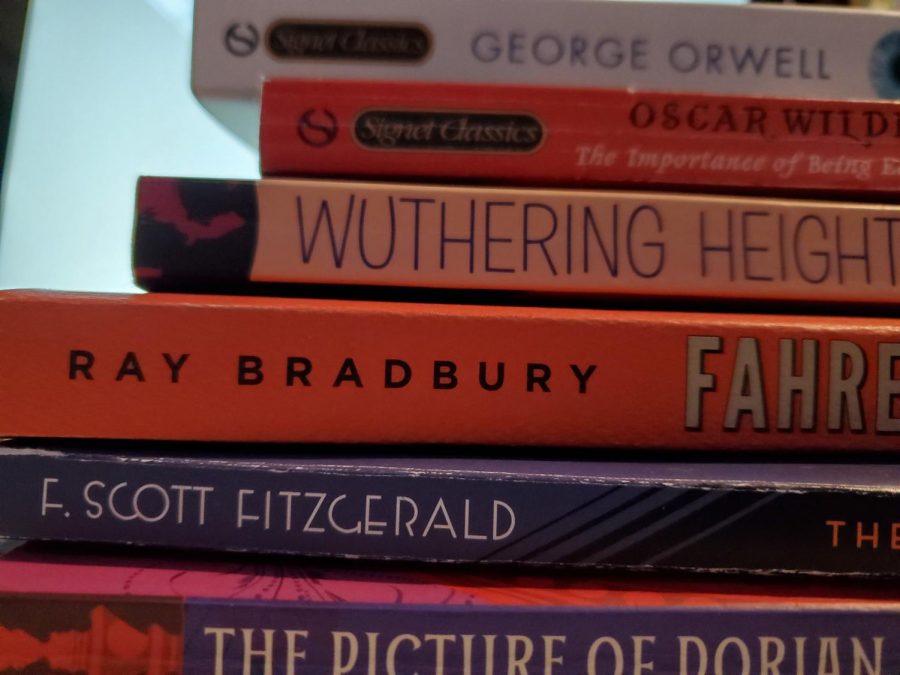
A classic is a book that has never stopped saying what it has to say. Written in a specific time, it remains relevant, speaking to each age anew in new ways. Last month, I called for favorite classics beloved by readers of this column, books that had struck a personal chord at a certain age, books that had been formative, maybe transformative, and that they would recommend to other readers.
Jan Bono (Long Beach) recommends Robert A. Heinlein’s Stranger in a Strange Land. “Possibly the first and last time I enjoyed a science fiction novel,” she writes. “It answered all my ‘meaning of life’ questions back then.” Heinlein’s classic made the same revelatory impact on me as a teenager. But the “meaning of life” questions kept changing.
Science fiction was also important to Fred Hudgin (Ariel) when he was a young man, especially Philip K. Dick’s Do Androids Dream of Electric Sheep?, inspiration for the classic 1982 film, “Blade Runner.” “I thought and dreamed about that book for years,” as he began writing his own science fiction, “hoping mine would someday be as good.”
Andre Stepankowsky (Longview) was deeply influenced by Henry David Thoreau’s Walden, both its lament that “most men live lives of quiet desperation," and its exhortation to live life deliberately.
The Good Earth first inspired Elaine Cockrell (Coal Creek Road) to read about China, and then all the other books written by Pearl Buck.
Turning to the East, Stewart Dall (Longview) recommends The Art of War by Sun Tzu, for its “profound simplicity” beyond its military application. It’s about so much more than war.
Mary Putka (Kalama) taught Harper Lee’s To Kill a Mockingbird to eighth graders for many years. It still remains her favorite, with the humane, noble Atticus Finch observing, “I think there’s just one kind of folks, folks.”
Dean Takko (Longview) didn’t read many classics until he was an adult, which he thinks is an advantage. “You can reflect on your own life experiences and understand the pain or happiness the character is experiencing.” Among his favorites are the short stories of Ernest Hemingway, especially “The Short Happy Life of Francis Macomber.”
What about Children’s Lit? Tiffany Dickinson (Longview) recommends Matilda by Roald Dahl. “It was one of the first books I'd ever read that made me laugh out loud (kid's books were always so SERIOUS). I loved Matilda's resilience and pep, that the villains get their due, and she lives happily ever after.” Husband Paul Dickinson read Flowers for Algernon by Daniel Keyes in eighth grade and counts it as a “kind of coming of age.” “It was the first time I started seeing things from the point of view of an adult”—and without happily-ever-after endings.
Ned Piper’s (Longview) favorite is Albert Camus’ existentialist novel, The Stranger, opening with the memorable line, “Mother died today…or was it yesterday?” When I first read the book in high school, I was perplexed and frustrated by its lack of moral clarity. It was unlike anything I had ever read before. I remain haunted still by its idea of the "benign indifference of the universe."
Although admitting that George Eliot’s Middlemarch is his all-time favorite, Hal Calbom (Seattle) recommends Body and Soul by Frank Conroy, a book which “over the years I’ve purchased for friends and perpetrated on people. It intertwines culture and music and urban life and childhood with a splendid tone and narrative drive.”
Some readers recommended lesser known works by favorite authors. Instead of The Catcher in the Rye, Portland writer Jeff Stookey recommends J.D. Salinger’s Nine Stories, which profoundly touched him as a teenager with its human pathos and introduced him to Eastern philosophy and mysticism, expanding his understanding of spirituality.
Instead of The Egg and I, Mary Stone (Castle Rock) recommends Betty MacDonald’s memoir of growing up in the Great Depression, Anybody Can Do Anything, which Mary found “refreshingly humorous,” and also helpful as she herself was learning to write.
Hermann Hesse is perhaps best known for the cult classic Siddhartha, but Ed Putka (Kalama) prefers Hesse’s masterpiece, The Glass Bead Game (also published as Magister Ludi), finding it “a brilliant examination of what constitutes a meaningful life.”
So, as bleak November slides us into winter, consider cuddling up with a classic, wrapped in your warm blanket, maybe accompanied by a cup of hot cider or glass of wine (or whiskey, if you’re reading Hemingway). Slow down time, taking a break from our frenetic TikTok existence with its Instagram attention spans. Turn off the TV, put away your phone, and settle in for a quiet evening with a companion who can transport you to a different time and place, perhaps even induce in you new and wondrous states of being.
This review first appeared in The Columbia River Reader (November 25, 2025.) Reprinted with permission.